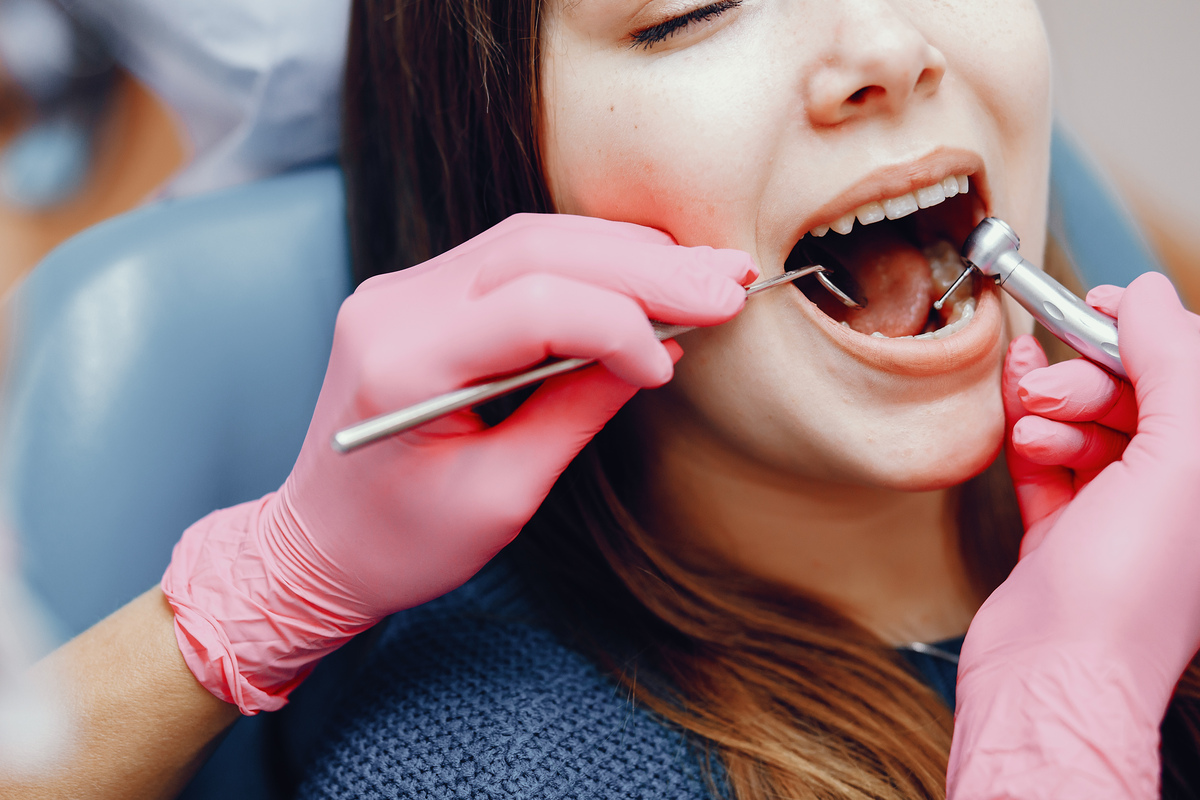
Do you know what periodontal disease is and how it affects your gums and teeth? Periodontal disease is a gum disease that, if left untreated, slowly damages the support around your teeth. Many patients seek advanced care, such as Periodontics in Whitby, when gum issues become more serious, as early treatment helps protect long-term oral health.
Gum health is an important part of everyday dental care. When plaque and bacteria stay on teeth for too long, they can irritate gums and slowly lead to infection. Understanding the causes and prevention steps makes it easier to keep gums strong and healthy.
What is Periodontal Disease?
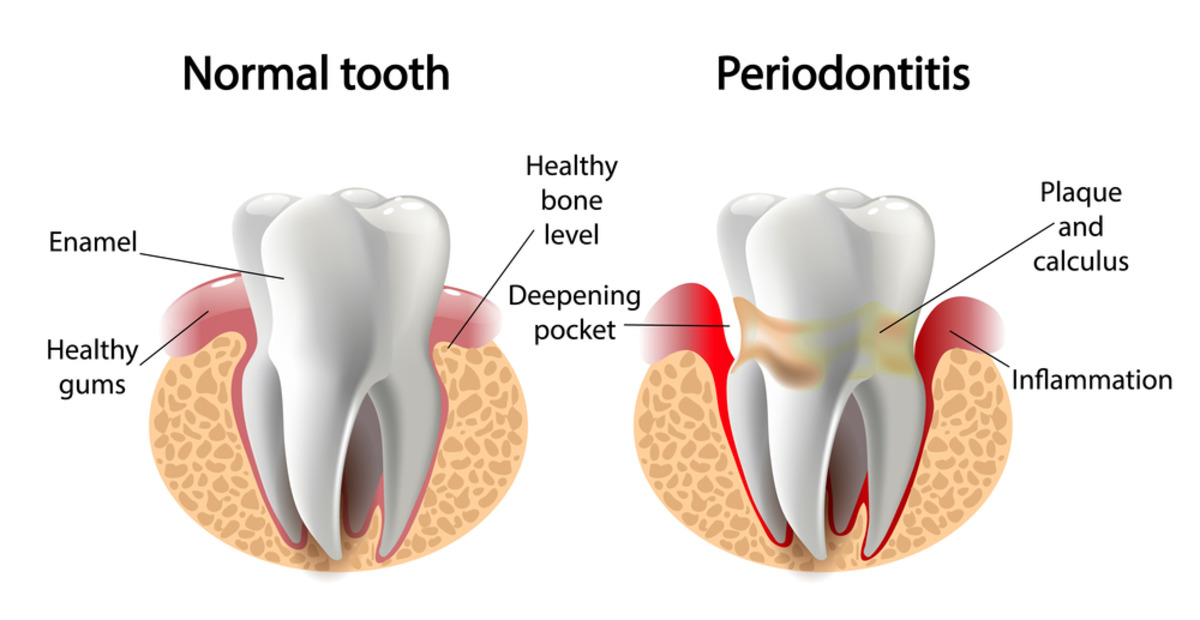
Periodontal disease is a gum infection that affects the tissues holding teeth in place. It starts with mild gum irritation and can become more serious if left untreated.
It usually develops in stages:
- Early stage: Red or swollen gums
- Moderate stage: Gum bleeding and discomfort
- Advanced stage: Gum pulling away from teeth and bone loss
Early care is important to stop it from getting worse.
Main Causes of Periodontal Disease
Gum disease does not happen suddenly. It builds up slowly due to daily habits and poor oral hygiene.
Common causes include:
- Poor brushing habits
- Not cleaning between teeth properly.
- Sticky plaque buildup on teeth
- Smoking or tobacco use
- High sugar intake
- Weak gum response due to health conditions
When plaque is not removed, it hardens into tartar, which irritates the gums and can lead to infection.
Early Signs That Should Not Be Ignored
Gum disease often begins quietly, without severe pain. But early signs can still be noticed.
Watch for:
- Gums that bleed while brushing
- Swollen or red gums
- Bad breath that does not go away
- Gum tenderness
- Teeth feel slightly loose.
These signs indicate that the gums need attention before the condition becomes serious.
How Gum Disease Affects Oral Health
If left untreated, periodontal disease can affect more than just the gums.
Possible effects include:
- Weak support for teeth
- Gum recession (pulling back of gums)
- Bone loss around teeth
- Difficulty chewing
- Increased risk of tooth loss
This is why early care is important for long-term oral health.
Role of Professional Gum Care
Periodontics in Whitby focuses on diagnosing and treating gum-related problems in a structured, careful manner. It helps control infection and protect the natural structure of teeth.
Treatment may include:
- Deep cleaning below the gums
- Removal of plaque and tartar buildup
- Careful gum infection control
- Ongoing monitoring of gum health
These treatments help stop disease progression and support the healing of gum tissues.
Why Regular Dental Visits Matter
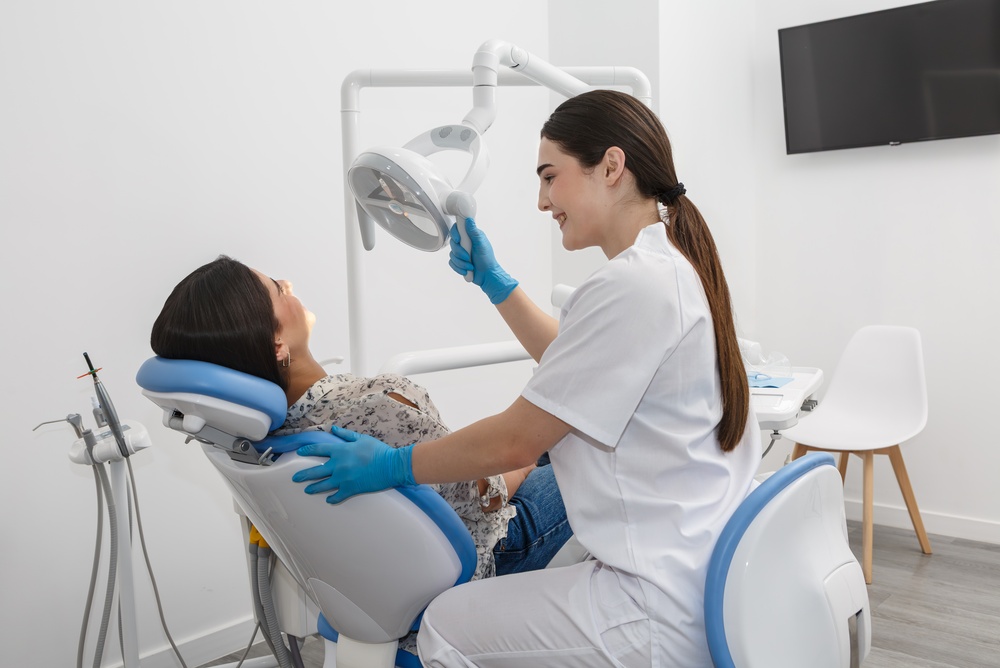
A dentist Whitby plays an important role in checking gum health during routine visits. Many gum problems cannot be seen at home in the early stages, so professional exams are important.
During a check-up, dentists:
- Look for early signs of gum infection.
- Measure gum health around teeth
- Clean hard-to-reach areas
- Suggest preventive steps
Regular visits help catch problems early before they become serious.
Treatment Options for Gum Disease
Periodontal Treatment Options depend on the severity of the gum condition. The goal is always to control infection and protect teeth.
Common options include:
- Professional cleaning to remove plaque and tartar
- Deep cleaning under the gums
- Medication to control infection
- Gum care procedures for advanced cases
Treatment is planned based on the stage of the condition and overall gum health.
How to Maintain Healthy Gums Daily
Gum Health Maintenance is important for preventing periodontal disease and keeping teeth strong for life. Simple daily habits make a big difference.
Helpful habits include:
- Brushing twice daily with a soft brush
- Cleaning between teeth every day
- Reducing sugary foods and drinks
- Drinking enough water
- Avoiding smoking habits
- Regular dental check-ups
These steps help reduce plaque buildup and protect gums from infection.
Protect Your Gums Early: Book Your Dental Visit Today!
Periodontal disease can slowly damage gums and teeth if left untreated, but early care and good daily habits can prevent serious problems. Understanding its causes and following proper oral hygiene make a big difference in long-term dental health.
Pringle Creek Dental provides careful evaluation and advanced gum care to help maintain strong, healthy gums throughout every stage of treatment and prevention. Book your appointment.
FAQs
What is the main cause of periodontal disease?
The main cause of periodontal disease is plaque buildup on teeth. This usually happens when brushing is not done properly and when cleaning between teeth is regularly missed. Over time, plaque hardens and affects gum health.
Can gum disease be reversed?
Early gum disease can often be controlled and improved with proper cleaning, better oral care habits, and professional dental treatment. However, if the condition progresses, some damage may require ongoing dental care.
Is gum disease painful?
In the early stages, gum disease may not cause any pain or clear discomfort, which is why it often goes unnoticed. In later stages, it can lead to swelling, soreness, bleeding gums, and increased sensitivity while eating or brushing.
How often should gums be checked?
It is usually best to get your gums checked every 6 months during regular dental visits. These check-ups help find early signs of gum problems and keep your gums healthy before issues become serious.