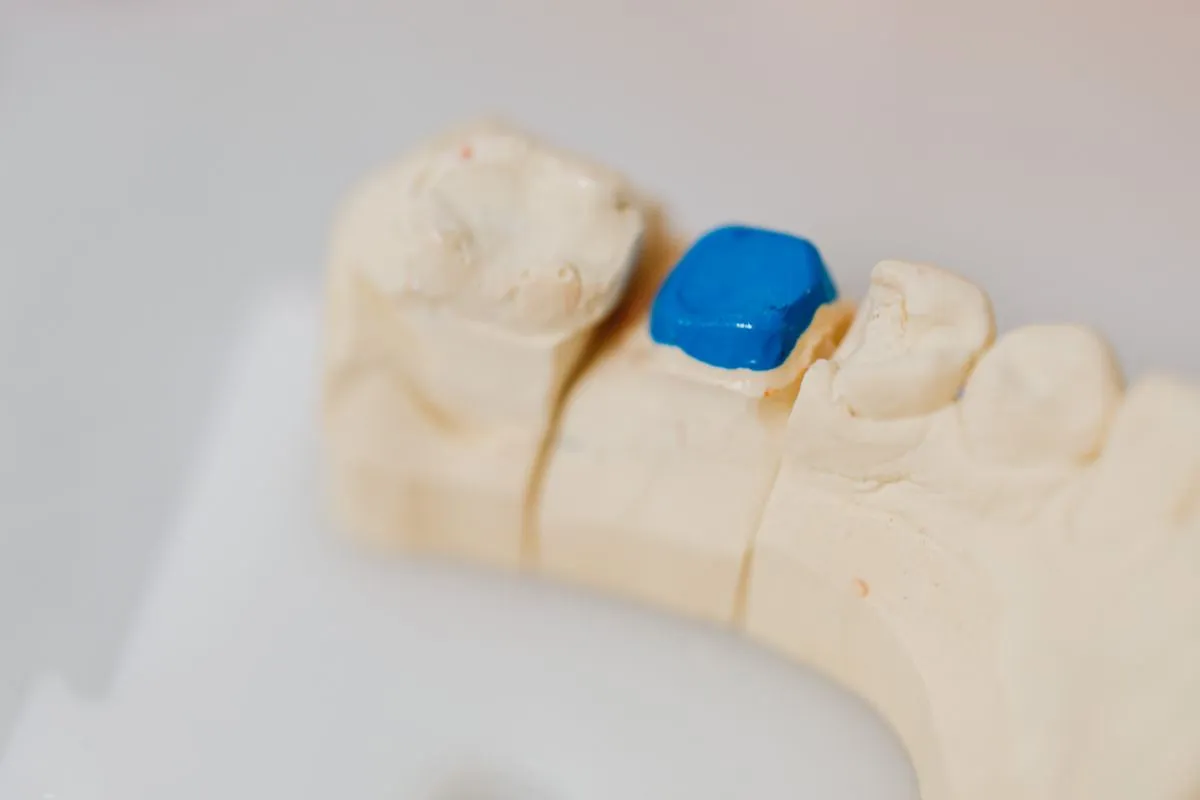

When a tooth is badly infected or damaged, the two most common options are root canal treatment or removing the tooth. In most cases, saving the natural tooth with a root canal is the preferred choice, but an extraction can be the right call when a tooth cannot be restored. Here is how the two compare so you can have an informed conversation with your dentist.
What Is a Root Canal?
Root canal treatment removes the infected or inflamed pulp from inside the tooth. The dentist cleans and shapes the canals, fills them with a sealing material and closes the tooth. Back teeth usually need a crown afterward to protect them from cracking. The tooth stays in place, so you keep your natural root, bite and chewing function.
What Is a Tooth Extraction?
An extraction removes the whole tooth, including the root. A simple extraction is done when the tooth is visible and in one piece. A surgical extraction may be needed for broken teeth or teeth below the gum line. Once the tooth is gone, the space is often replaced with a dental implant, a bridge or a partial denture to prevent other teeth from shifting.
Root Canal vs Extraction: Side-by-Side
Comfort during treatment
Both are done with local anesthetic, so most patients feel pressure rather than pain. Root canal treatment has a reputation for being painful, but modern techniques make it similar to having a filling for most people. The pain people remember usually comes from the infection before treatment, not the procedure itself.
Recovery
After a root canal, mild tenderness for a few days is common. After an extraction, healing of the socket takes one to two weeks, and you need to follow aftercare steps to avoid a dry socket.
Number of visits
A root canal may take one or two visits, followed by a crown. An extraction is usually done in one visit, but replacing the tooth with an implant or bridge adds more appointments over the following months.
Long-term cost
An extraction alone usually costs less up front. But when you add the cost of replacing the missing tooth, the total is often similar to or higher than a root canal and crown. Leaving the gap empty can lead to shifting teeth, bite problems and bone loss, which may cost more to fix later.
Long-term results
A tooth treated with a root canal and protected with a crown can last for many years, often a lifetime with good care. Keeping your natural tooth also helps preserve the jawbone around it.
When a Root Canal Is Usually Recommended
- The tooth has a deep cavity or infection that has reached the nerve.
- There is enough healthy tooth structure left to support a filling or crown.
- The gums and bone around the tooth are healthy.
- The tooth is important for chewing or for your smile.
When an Extraction May Be the Better Choice
- The tooth is cracked below the gum line or split in two.
- Decay has destroyed too much of the tooth to restore it.
- Advanced gum disease has caused severe bone loss and the tooth is very loose.
- The tooth is a wisdom tooth that is causing problems and is not needed for chewing.
- A previous root canal has failed and retreatment is not likely to work.
Questions to Ask Your Dentist
- How much healthy tooth structure is left, and can it support a crown?
- What is the long-term outlook for this tooth if we save it?
- If we remove it, what are my options for replacing it, and what will they cost?
- How will each choice affect the teeth beside it?
Frequently Asked Questions
Is a root canal more painful than an extraction?
For most patients, neither procedure is painful during treatment because the area is numbed. Some tenderness afterward is normal with both and usually settles within a few days.
Can I just pull the tooth instead of getting a root canal?
Yes, extraction is an option, but you will likely need to replace the tooth to prevent shifting and bone loss. Your dentist can compare the full cost and outcome of each path with you.
How long does a tooth last after a root canal?
With a well-fitting crown, good brushing and flossing and regular checkups, a tooth treated with a root canal can last for many years.
Do I always need a crown after a root canal?
Back teeth usually need a crown because they take more chewing force. Some front teeth can be restored with a filling alone. Your dentist will recommend what suits your tooth.
Talk to Us About Your Options
If you have a painful or damaged tooth, an exam and X-ray will show whether it can be saved. Pringle Creek Dental offers endodontics in Whitby, including root canal treatment, and can discuss tooth replacement options if an extraction is needed. Call (905) 668-5538 or visit Pringle Creek Dental to book an assessment with a dentist near you.