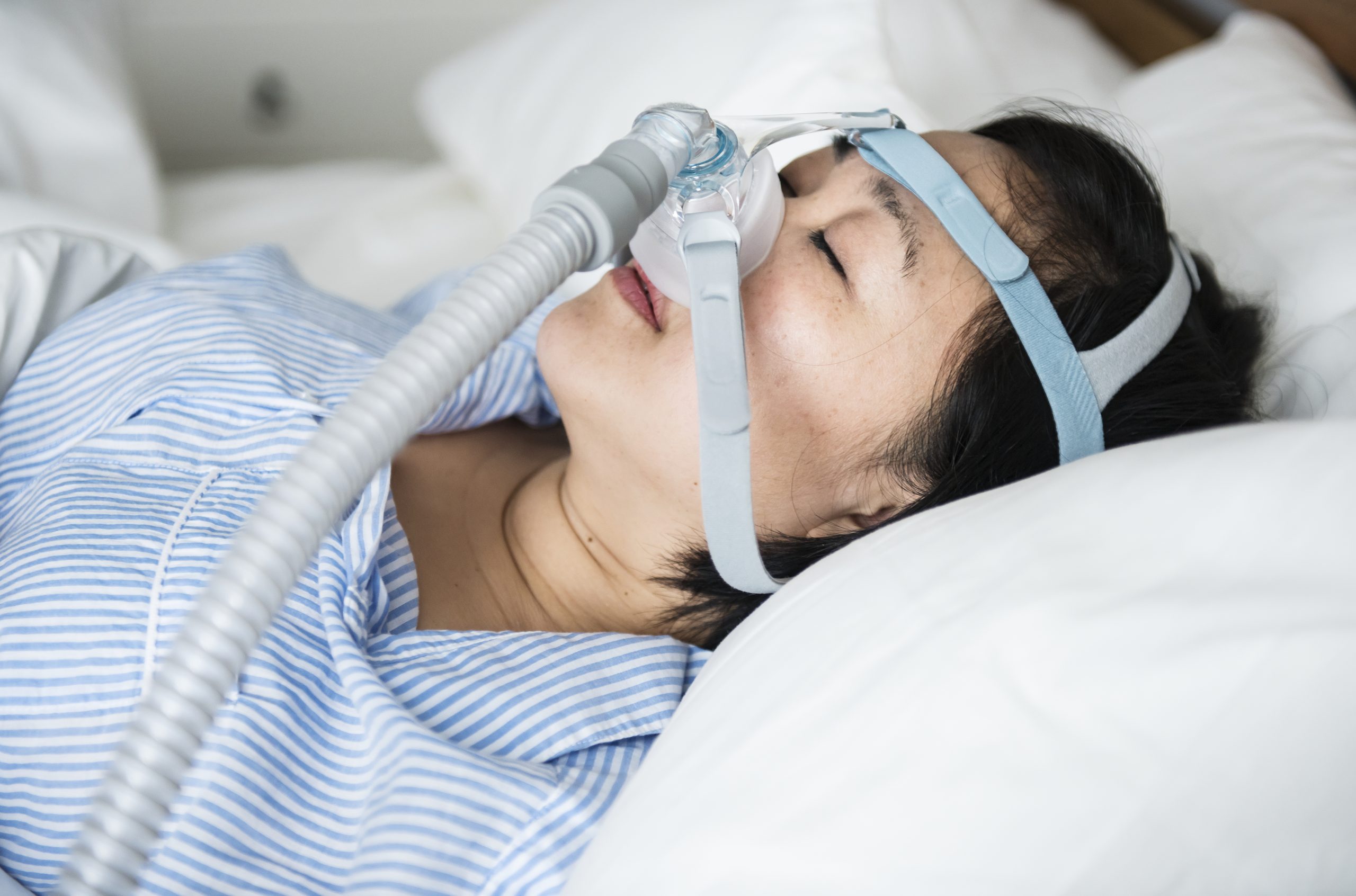
Do you frequently wake up tired, despite sleeping through the night? You may notice signs of sleep apnea, a condition that causes you to stop breathing and start breathing again many times while asleep. Constant disruption may lessen your sleep quality as well as your overall and oral health. Sleep apnea treatment in Whitby can determine if you may have the condition and recommend the best treatment to feel better while sleeping. Finding out about the symptoms of sleep apnea and how it is linked to oral health can help you seek care earlier and reduce the risk of health issues.
What Is Sleep Apnea?
Sleep apnea is a condition that interrupts normal breathing during sleep. These breathing pauses may happen many times throughout the night, reducing the amount of oxygen the body receives and affecting sleep quality.
Common symptoms include:
- Loud snoring
- Gasping during sleep
- Morning headaches
- Dry mouth after waking
- Daytime tiredness
- Difficulty concentrating
Because many symptoms occur while sleeping, some people do not realize they have sleep apnea until a family member notices the problem.
How Does Sleep Apnea Affect Oral Health?
Poor sleep and interrupted breathing can contribute to several oral health concerns. In many cases, the mouth provides early signs that a dentist near you may notice during a routine examination.
Possible oral health effects include:
- Dry mouth from breathing through your mouth
- A higher risk of cavities
- A greater chance of gum disease
- Bad breath
- Worn teeth from grinding at night
- Jaw pain or discomfort
Taking care of your oral health is an important part of staying healthy.
What Causes the Connection?
The mouth, jaw, tongue, and airway all work together during sleep. If the airway becomes narrow or blocked, breathing may be interrupted.
Several factors may increase the risk, including:
- Relaxed throat muscles during sleep
- A large tongue
- Certain jaw shapes
- Excess body weight
- Nasal blockage
- Teeth grinding
These factors vary from person to person, which is why a proper evaluation is important.
Can a Dentist Help Identify Sleep Apnea?
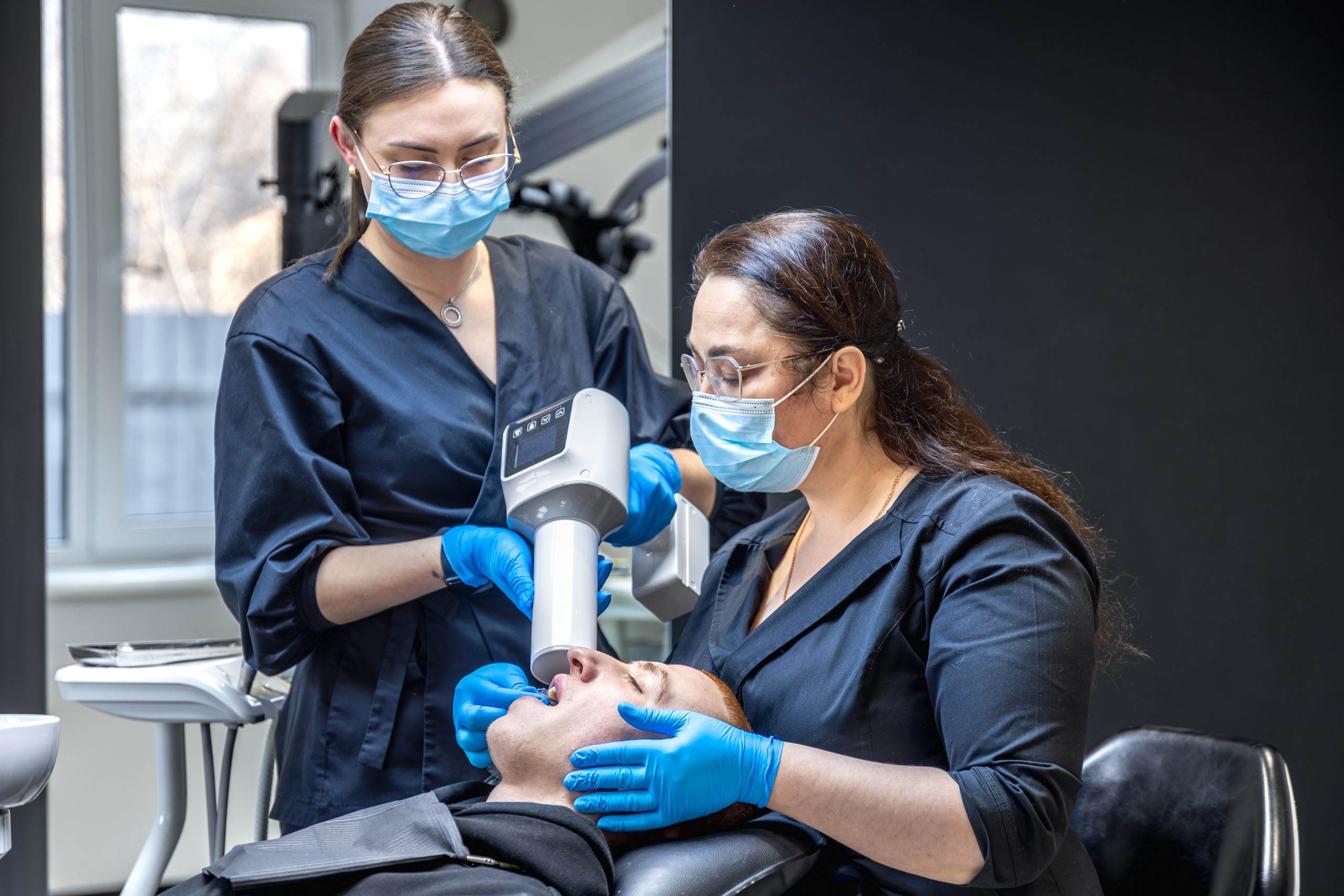
Yes. During a routine dental visit, a dentist may notice signs that suggest a sleep-related breathing disorder.
A dental examination may reveal:
- Worn teeth from grinding
- A narrow airway
- Dry mouth
- Tongue indentations
- Jaw muscle tenderness
- Gum inflammation
A dentist in Whitby may recommend additional evaluation by a physician or sleep specialist if sleep apnea is suspected.
What Is Oral Appliance Therapy?
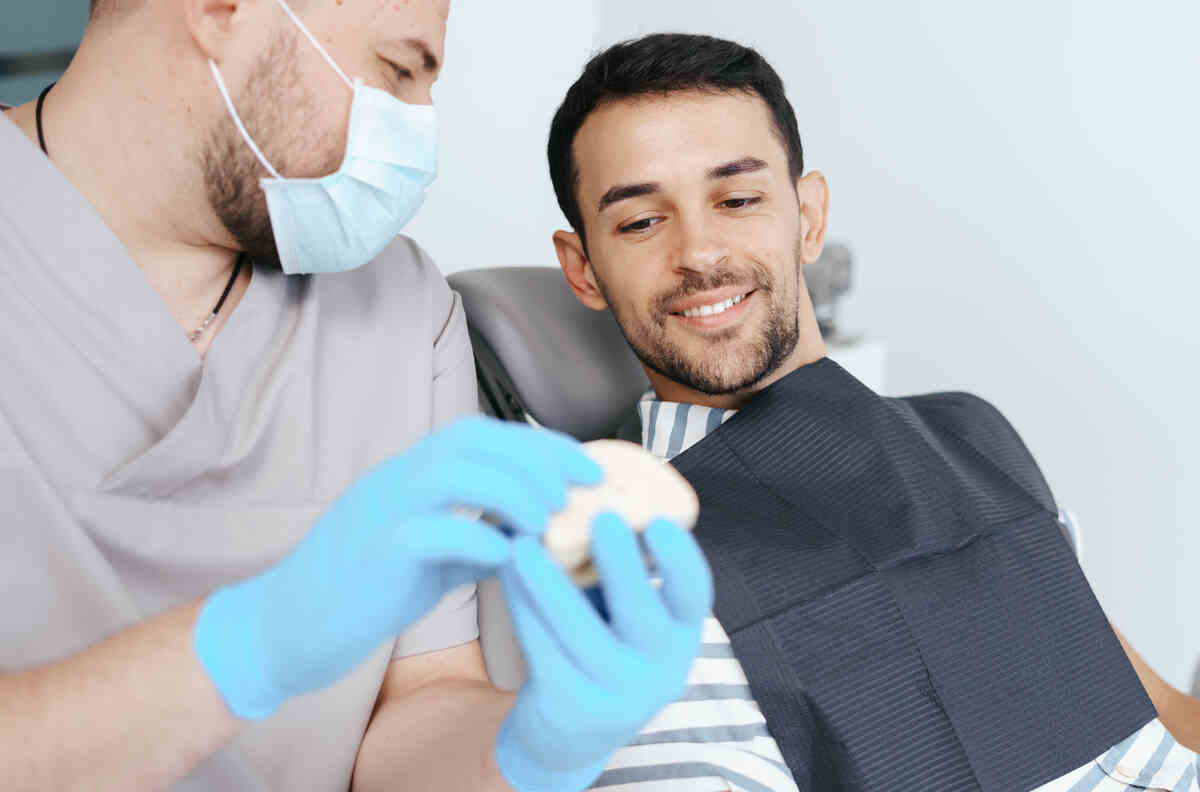
For some people with mild to moderate obstructive sleep apnea, a custom-made oral appliance may be a good treatment option.
You wear this device while you sleep. It gently moves your lower jaw forward to help keep your airway open.
It may help:
- Improve airflow during sleep.
- Reduce snoring for some people.
- Feel more comfortable than larger devices for some patients.
- Be easy to clean and store
- Fit your mouth comfortably.
A dental evaluation is needed to find out if this treatment is right for you.
Other Ways to Support Better Sleep
Along with treatment, healthy habits can help you sleep better.
Simple tips include:
- Keep a healthy weight.
- Sleep on your side if recommended.
- Avoid alcohol before bed.
- Go to bed and wake up at the same time each day.
- Treat a blocked nose if your doctor advises it.
- Visit your doctor and dentist for regular checkups.
These habits can support your treatment and help improve your sleep.
When Should You Seek Professional Evaluation?
Do not ignore symptoms that keep happening.
You should consider a dental evaluation if you have:
- Loud or frequent snoring
- Morning headaches
- Dry mouth when you wake up
- Feeling very tired during the day
- Grinding your teeth while you sleep
- Someone notices that you stop breathing during sleep.
If you have these signs, learning about sleep apnea treatment near you can help you understand your treatment options.
Sleep Better While Protecting Your Oral Health!
Sleep problems can affect more than just how rested you feel; they may also impact your teeth, gums, and overall health. If you notice signs such as snoring, dry mouth, teeth grinding, or interrupted sleep, a dental evaluation can help identify possible causes and discuss appropriate treatment options. At Pringle Creek Dental, we provide personalized care based on your individual needs. Book your appointment today to learn more about your treatment options and take a positive step toward healthier sleep, improved oral health, and better daily well-being.
FAQs
Can sleep apnea affect my teeth?
Yes. It can cause teeth grinding or clenching, which may wear down your teeth or cause jaw pain.
Why does sleep apnea cause dry mouth?
Many people breathe through their mouths while sleeping, which can make their mouths feel dry.
Can a dentist diagnose sleep apnea?
No. A dentist can notice the signs and refer you to a doctor or sleep specialist.
What is an oral appliance for sleep apnea?
It is a custom-made device that helps keep your airway open while you sleep.