Why do some patients need a different approach to dental care? Special needs patients may have physical, developmental, sensory, or communication needs that can make dental visits more challenging. A dentist in Whitby can provide care that considers these needs and helps make appointments easier to understand and manage.
Specialized dental care is not about giving different treatment without a reason. It is about adjusting communication, the dental environment, and treatment methods to match the patient’s needs.
What Is Special Needs Dental Care?
Special needs dental care in Whitby focuses on providing dental services in a way that supports patients who may need extra help during appointments.
These needs can vary from one patient to another. Some patients may have difficulty sitting still, while others may feel uncomfortable with bright lights, sounds, unfamiliar surroundings, or physical contact.
Care may include:
- Using simple and clear instructions
- Allowing extra time during appointments
- Explaining each step before treatment
- Making the dental setting more comfortable
- Using communication methods that suit the patient
- Working with caregivers when needed
- Adjusting treatment based on the patient’s abilities and needs
The goal is to make dental care easier to understand while supporting good oral health.
Why Do Special Needs Patients Need Specialized Care?
Every patient has different dental needs. Some patients may need extra support to feel comfortable and safe during dental care.
For example, a patient may have trouble explaining tooth pain or understanding why an exam is needed. Others may feel anxious because of new sounds, smells, or dental tools.
Special needs dental care in Whitby can provide a more patient-focused approach to these needs.
This care may help with:
- Communication difficulties
- Dental anxiety
- Sensitivity to sounds, smells, or touch
- Trouble sitting for long periods
- Difficulty explaining pain or discomfort
- Physical conditions that affect dental care
- Developmental or cognitive differences
Knowing these needs can make dental visits easier and more comfortable.
How Can Dental Visits Be Made Easier?
A dental visit can feel easier when the patient knows what to expect. Small changes can help reduce stress.
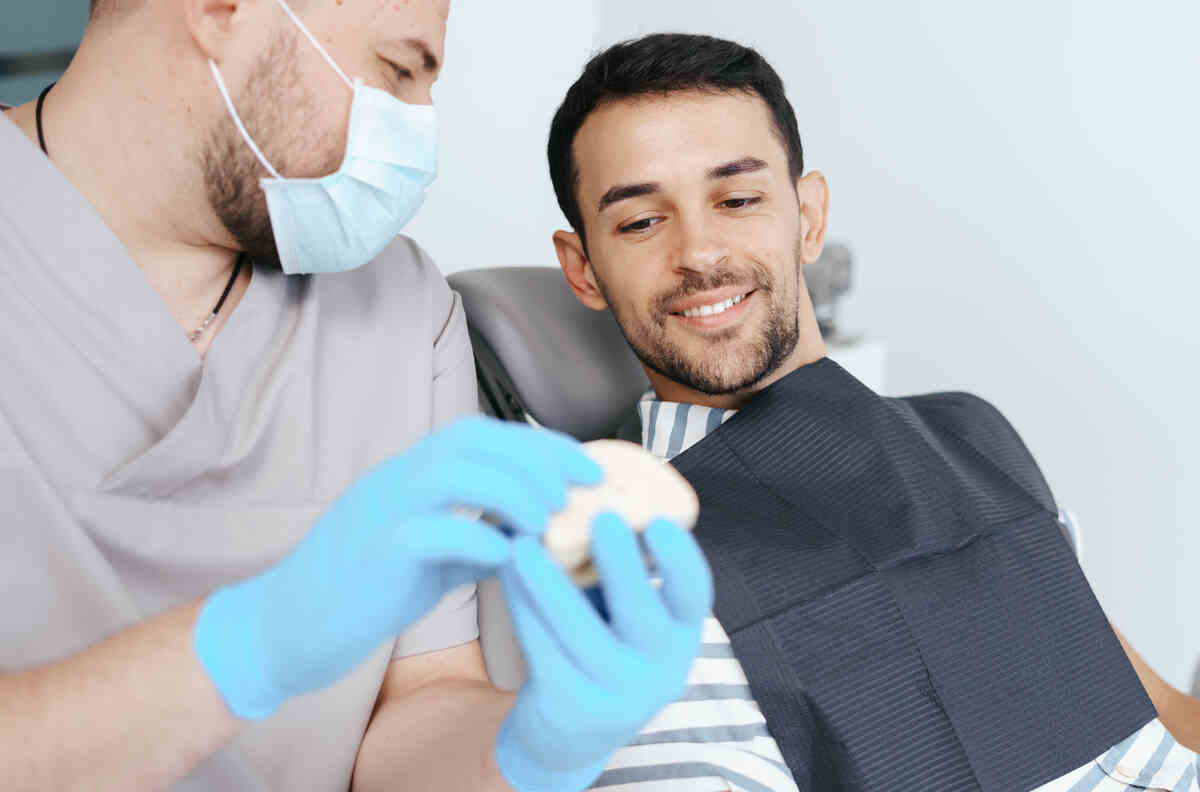
A dentist near you may explain each step, show dental tools before using them, and give the patient time to get comfortable.
Helpful approaches include:
- Using simple words and short sentences
- Giving one instruction at a time
- Taking breaks when needed
- Keeping visits short and focused
- Using pictures or other ways to communicate
- Allowing a trusted caregiver to help when needed
The approach should be based on each patient’s needs.
How Does Specialized Care Support Communication?
Communication is an important part of dental care. Some special needs patients may communicate differently or may have difficulty describing pain, sensitivity, or other oral health concerns.
Clear communication can help the dental team understand what the patient needs.
During special needs dental care, useful communication methods may include:
- Simple questions
- Visual explanations
- Demonstrations
- Extra time to respond
- Familiar routines
- Caregiver input when appropriate
Pain should also be taken seriously, even when a patient cannot describe it clearly. Changes in eating, sleeping, behaviour, or facial expressions may sometimes provide useful clues that something is wrong.
What Should Caregivers Know Before a Dental Visit?
Caregivers can provide useful information that helps the dental team understand the patient’s needs.
Before an appointment, it may help to share:
- How the patient communicates
- Known sensory triggers
- Previous dental experiences
- Signs that may indicate pain
- Helpful calming techniques
- Current oral hygiene routines
- Any difficulties during previous appointments
This information can help the dentist near you plan the visit around the patient rather than expecting every patient to respond in the same way.
What Makes Specialized Dental Care Patient-Centered?
Patient-centred care means considering the individual instead of using the same approach for every appointment.
Special needs patients may benefit when dental care takes into account:
- Communication: Instructions are adjusted to be easier to understand.
- Sensory needs: Bright lights, sounds, smells, or touch are considered when possible.
- Comfort: Breaks and extra time may be provided when appropriate.
- Trust: A calm and respectful approach can help the patient feel more comfortable.
- Individual needs: Treatment is planned based on the patient’s needs and oral health.
These steps can make dental care easier and more comfortable.
Explore Supportive Dental Care for Your Loved One!
Does a special needs patient require dental care that considers their individual needs? A thoughtful approach can help make dental visits easier to understand and support regular oral health care. If specialized support is needed, book an appointment with Pringle Creek Dental to discuss the patient’s needs and learn how the dental visit can be planned around their comfort, communication, and oral health needs.
FAQs
Can patients with special needs have regular dental checkups?
Yes. Regular dental checkups and preventive care can help keep their teeth and gums healthy and find problems early.
Can caregivers come to the dentist?
Yes, caregivers can provide support with communication, comfort, and understanding treatment when needed.
What if a patient is afraid of dental treatment?
The dental team can use simple explanations, breaks, and a gradual approach to help the patient feel more comfortable.
How can caregivers help with dental care at home?
Caregivers can help with regular brushing and cleaning, monitoring for changes, and sharing concerns with the dental team.