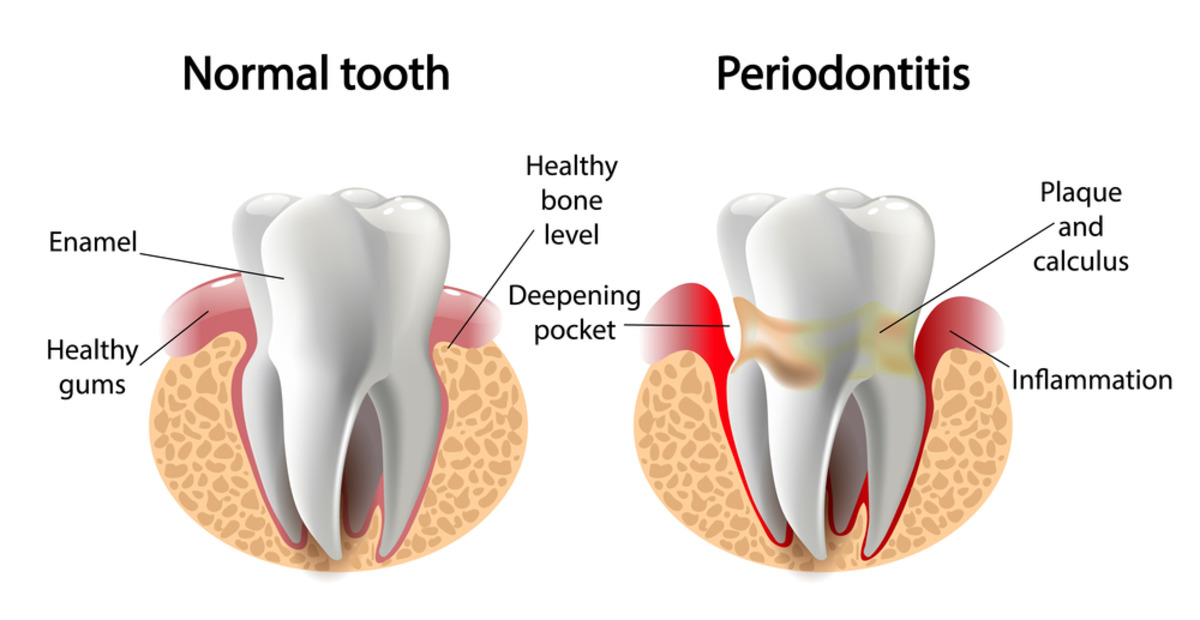
Periodontal disease is an infection and inflammation of the tissues that support the teeth. It can range from early gum inflammation to more advanced gum disease. Periodontics in Whitby focuses on the health of these supporting tissues and can help identify gum problems before they become more serious. Gum disease has also been studied in relation to health conditions such as heart disease and diabetes. These conditions do not mean that gum disease directly causes heart disease or diabetes. Instead, research suggests that inflammation and other shared risk factors may connect them.
What Is Periodontal Disease?
Periodontal disease develops when plaque builds up around the teeth and affects the gums. Plaque is a sticky layer of bacteria that forms on the teeth each day.
If plaque is not removed regularly, the gums may become irritated and swollen. Over time, the infection can affect the tissues and bone that hold the teeth in place.
Common signs may include:
- Red or swollen gums
- Bleeding when brushing or cleaning between teeth
- Ongoing bad breath
- Tender gums
- Gums pulling away from the teeth.
- Loose teeth in more advanced cases
How Is Gum Disease Linked to Heart Disease?
The link between gum disease and heart disease is not fully understood. Studies have found a connection between gum disease and some heart conditions, but this does not mean that gum disease directly causes heart disease.
Long-term inflammation is one possible connection. Both conditions can involve inflammation in the body. They may also share risk factors such as smoking, age, diet, and other health conditions.
Regular care from a dentist in Whitby can help identify gum problems and support better oral health as part of overall health care.
Can Gum Disease Affect Diabetes?
The relationship between periodontal disease and diabetes can work in both directions. People with diabetes may have a higher risk of developing gum disease, particularly when blood sugar levels are not well controlled.
At the same time, severe gum inflammation may make blood sugar management more difficult for some people. This does not mean gum disease causes diabetes.
Good oral care is especially important when diabetes is present. Managing blood sugar and maintaining healthy gums can both be part of broader health management.
Why Does Inflammation Matter?
Inflammation is the body’s way of reacting to irritation or infection. If gum disease lasts for a long time, the tissues around the teeth may stay inflamed.
This is one reason periodontics may be part of a broader approach to managing gum health. Treating gum disease focuses on reducing infection and inflammation in the mouth.
However, treating gum disease should not be viewed as a replacement for medical care for heart disease or diabetes.
What Are the Shared Risk Factors?
Gum disease, heart disease, and diabetes can have some risk factors in common. These shared factors may partly explain why they are often studied together.
Examples include:
- Smoking or tobacco use
- Poor diet
- Age
- Family health history
- Certain long-term health conditions
- Limited physical activity
Having one of these risk factors does not mean that periodontal disease or heart disease will develop. Individual risk can vary.
Can Treating Gum Disease Protect Heart Health?
Treating periodontal disease can improve gum health and reduce signs of infection in the mouth. However, there is not enough evidence to say that periodontal treatment prevents heart attacks or other heart conditions.
Good oral care should be viewed as one part of general health care. Periodontics Whitby may include assessment and treatment based on the condition of the gums and supporting tissues.
Medical concerns such as chest pain, high blood pressure, or diabetes still require appropriate medical evaluation and treatment.
Why Is Diabetes and Gum Health Monitoring Important?
Diabetes can affect the body’s ability to respond to infection and heal properly. This may make gum health more difficult to manage when blood sugar levels are not well controlled.
Regular dental visits can help find signs such as bleeding gums, swelling, or deeper spaces around the teeth. A dentist near you can also suggest ways to care for your teeth and gums at home and let you know if you need a closer gum check.
How Can Gum Health Be Supported?
Good daily mouth care can help reduce plaque and keep your gums healthy. Helpful habits include:
- Brush your teeth twice a day with fluoride toothpaste.
- Clean between your teeth every day.
- Avoid smoking and tobacco products.
- Limit sugary foods and drinks.
- Go to your dental check-ups as recommended.
- Follow your professional’s advice for health conditions such as diabetes.
If your gums keep bleeding even with good home care, talk to your dentist for a proper check.
Keep Gum Health Part of Overall Health Care!
Periodontal disease and conditions such as diabetes and heart disease may share inflammation and other risk factors. Keeping the gums healthy through daily care and regular dental assessment can support oral health while working alongside appropriate medical care.
Book an appointment with Pringle Creek Dental to have your gum health assessed and receive personalised guidance for protecting your teeth and supporting tissues.
FAQs
Does gum disease cause heart disease?
Not necessarily. Gum disease and heart disease are associated in research, but an association does not prove that one directly causes the other. Shared risk factors and inflammation may play a role.
Can diabetes make gum disease worse?
Yes. Diabetes can increase the risk of gum problems, particularly when blood sugar is not well controlled. Gum infection can also make blood sugar management more difficult for some people.
Can gum disease be present without pain?
Yes. Gum disease does not always cause noticeable pain. Bleeding, swelling, bad breath, or changes around the teeth may appear instead.
Should people with diabetes have regular dental check-ups?
Regular dental care can be especially useful for monitoring gum health when diabetes is present. A dentist near you can assess the gums and recommend care based on individual needs.