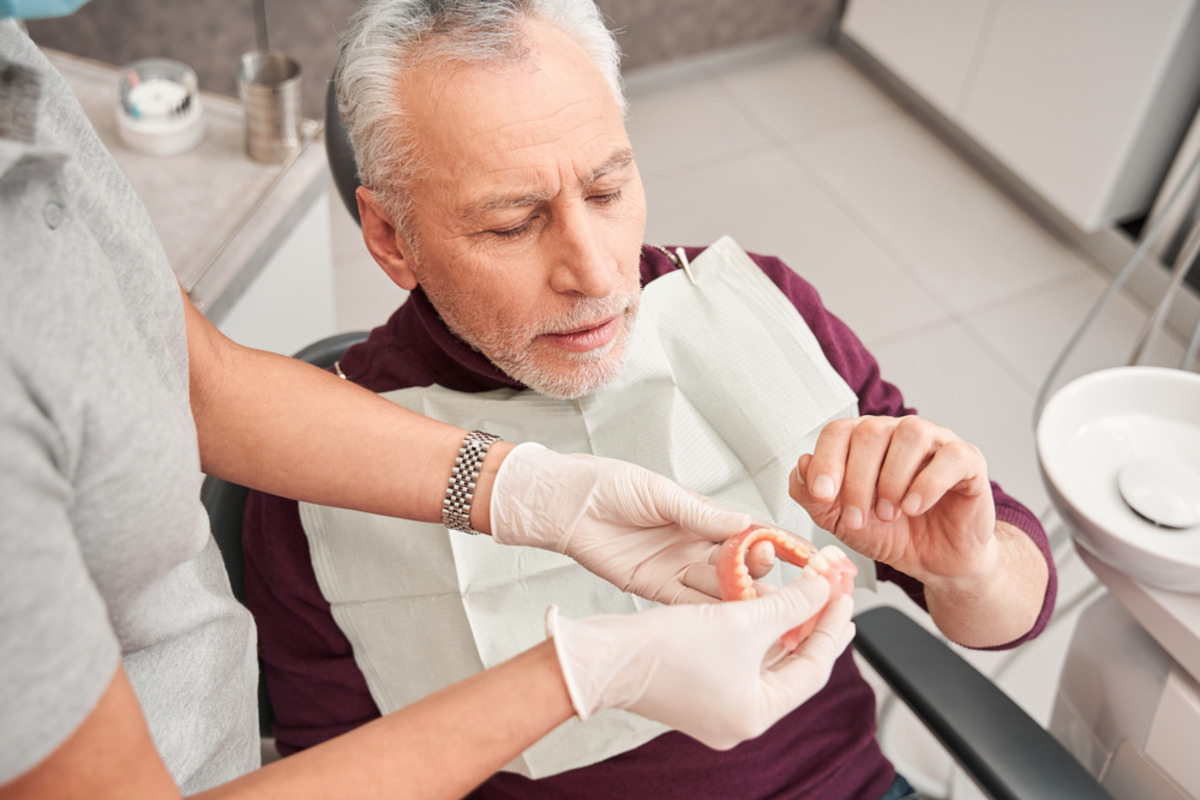
Dentures become loose over time mainly because the underlying jawbone naturally shrinks and changes shape after tooth loss, a process called bone resorption. As the jaw ridge resorbs without natural tooth roots to stimulate it, the denture’s pink acrylic base no longer conforms tightly to the underlying gums. Physical wear on the denture material, weight changes, and natural ageing also alter how securely the appliance sits in your mouth.
Speaking clearly, eating comfortably, and smiling confidently all depend on having a snug, dependable fit when wearing dentures in Whitby, ON. Understanding the underlying physiological and mechanical causes of your prosthetic’s slipping, clicking, or discomfort will help you identify practical remedies.
The Primary Cause: Natural Jawbone Resorption
When you lose a tooth, your jawbone naturally begins to shrink over time because it no longer gets the stimulation natural roots provide during chewing. As your bone slowly shifts and recedes, your dentures lose their snug foundation and start to feel loose.
- First-Year Resorption: Bone loss occurs most rapidly during the first 6 to 12 months following tooth extraction.
- Long-Term Changes: The jawbone continues to shrink gradually throughout your life, changing the shape of your gum ridge.
- Gapping Effect: As the gum line recedes, a gap forms between the fixed denture base and your changing oral tissues, causing looseness.
Why Are My Dentures Suddenly Loose?
If you are wondering why your dentures suddenly feel loose after months or years of a comfortable fit, physical changes to your body or the appliance itself may be responsible.
1. Denture Wear and Material Degradation
Regular chewing creates natural friction between the acrylic base and your artificial teeth. As those teeth wear down over time, the denture base can gradually warp or develop tiny microfractures, which subtly shift how your bite fits together.
2. Significant Weight Loss
Significant weight loss can change fat distribution in your body, especially in the soft tissues of your mouth. A reduced layer of gum tissue changes your dental ridge’s shape, which lessens the natural suction that holds complete dentures in place.
3. Accidental Damage or Warping
The acrylic material of your dentures can easily warp if you drop them in the sink or soak them in hot water. The suction seal that holds them pleasantly and firmly in place can be destroyed by even a slight alteration in their shape.
4. Dry Mouth (Xerostomia)
Saliva maintains the seal between your gums and the smooth acrylic base by acting as a natural glue. This natural suction barrier weakens when salivary flow decreases due to ageing, dehydration, or certain prescription drugs.
Why Do Dentures Become Loose Over Time?
When patients ask why dentures become loose over time, the answer usually involves a combination of bone changes, soft tissue thinning, and daily mechanical stress:
- Progressive Tissue Thinning: Gum tissue naturally thins as we age, providing less natural cushion for the appliance.
- Changes in Bite Pressure: Worn artificial teeth distribute chewing forces unevenly, causing the denture to shift out of place during meals.
- Clasp Wear on Partial Dentures: Metal or flexible clasps on partial dentures can loosen after repeated daily removal and insertion.
Signs Your Dentures Need Adjustment or Replacement
Ignoring a loose denture can lead to chronic mouth sores, localised gum infections, and accelerated jawbone loss due to uneven pressure points.
Keep an eye out for these typical signs that your prosthetic requires maintenance:
- Persistent clicking or sliding noises when laughing or speaking
- Gum ulcers, red areas, or uncomfortable regions regularly
- The requirement to use progressively more denture adhesive during the day
- Difficulty chewing basic foods without pain or dislodgement
- Noticeable changes in your face or jaw shape
Can Loose Dentures Be Fixed?
If you are asking whether loose dentures can be fixed, the answer is yes. Dental professionals offer several reliable clinical solutions to restore a snug fit and functional bite.
Depending on the condition of your appliance and underlying jawbone, your dentist may recommend:
- Denture Relining: Adding a fresh layer of acrylic or soft resin inside the denture base to match your current gum contours.
- Denture Rebasing: Replacing the entire pink acrylic base while keeping the existing artificial teeth.
- Fabricating a New Denture: Creating a completely new, custom-fitted appliance if the existing structure is excessively worn, broken, or warped.
- Implant-Retained Dentures: Placing titanium dental implants in the jawbone to secure the denture, reduce slipping, and preserve remaining bone structure.
Consulting an experienced dentist Whitby allows for a comprehensive assessment to determine the best corrective procedure for your smile.
How to Care for Your Dentures Daily
Proper maintenance extends the lifespan of your appliance and helps maintain a proper fit for as long as possible:
- Clean Daily with Soft Brushes: Use specialised non-abrasive denture cleansers rather than harsh toothpaste, which can scratch acrylic.
- Soak Overnight in Cool Water: Keeping dentures moist helps prevent the acrylic from drying out and warping.
- Handle with Care: Clean your dentures over a folded towel or basin of water to prevent breakage if you drop them.
- Visit Your Dental Clinic Regularly: Routine checkups at a trusted dental clinic near youallow your clinical team to check your oral tissues and adjust your fit early.
Loose Dentures vs Fixed Implant Solutions
| Option | Traditional Denture | Implant-Retained Denture |
| Stability | Relies on suction and muscle control | Anchored securely to jaw implants |
| Bone Preservation | Does not stop jawbone loss | Implants stimulate bone and prevent resorption |
| Fit Longevity | Requires periodic relines or replacements | Fixed or snap-in stability for years |
| Chewing Power | Restores moderate chewing force | Restores near-natural chewing strength |
Schedule Your Consultation Today
Our caring clinical staff is available to help you regain your comfort and confidence if you are experiencing slipping dentures or mouth discomfort. For a thorough evaluation and to discuss customised denture options, contact Pringle Creek Dental today.
Frequently Asked Questions
How often do dentures need to be relined or adjusted?
To accommodate natural changes in the jawbone, most full and partial dentures need to be professionally relined every two to three years. Regular yearly dental exams ensure your fit is assessed regularly.
Can denture adhesives permanently fix a poorly fitting denture?
Although denture adhesives increase confidence and offer short-term stability, they are not a long-term solution for loose prostheses. Overuse of glue can cause persistent gum pain and conceal underlying bone loss.
How long does a typical pair of dentures last?
Most full or partial dentures last five to seven years with good maintenance and routine checkups. You will eventually need a replacement because your jaw gradually changes and the materials wear down.
Is it normal for new dentures to feel loose at first?
While your facial muscles adjust, new dentures may feel strange or heavy, but they shouldn’t slip around or hurt too much. During follow-up appointments, your dentist can make small adjustments to improve your fit.