
Families can help by creating a quiet, consistent routine, using equipment appropriate to the individual’s abilities, and breaking brushing into small steps. Patience, positive reinforcement, and consistency go a long way in making daily oral hygiene simpler. Another level of support comes from regular dental check-ups. Should you need further assistance, special needs dentistry in Whitby, ON can help.
How to Maintain Oral Hygiene for Patients With Special Needs
Maintaining oral hygiene for patients with special needs starts with the basics: brushing twice a day, cleaning between the teeth, and limiting sugary foods. What changes is how you carry out those habits.
People are all unique. Some may benefit from simple reminders to brush their teeth, while others may need direct assistance. Aim for slow, steady improvement rather than perfection.
Some basic rules for the majority of households include the following:
- Try to conduct this activity at the same time each day.
- Stay relaxed throughout the process and don’t rush.
- Give positive feedback even on small successes.
How to Help Someone With Special Needs Brush Their Teeth
Brushing a child with special needs depends on many factors, including comfort level, mobility, and sensory preferences. The following will be helpful to many people:
- Start by showing them the brush.
- Use a small amount of fluoride toothpaste, as your dentist recommends.
- Brush gently in small circles along the gumline.
- Clean the front, back, and chewing surfaces of every tooth.
- Brush the tongue lightly if it’s tolerated.
- Finish with a quick rinse or wipe, depending on the person’s ability.
Two minutes is a good goal. If that’s too long at first, build up gradually.
Choosing the Right Tools
The right tools can make brushing easier and more comfortable. Consider these options:
- A soft-bristled brush with a small head
- A brush with a wider or angled handle for easier grip
- An electric toothbrush, if the vibration is comfortable
- Interdental brushes or floss holders for cleaning between teeth
- A mild-flavoured toothpaste if strong mint is bothersome
Your dentist or hygienist can recommend what suits your loved one best.
How Can Caregivers Help With Daily Oral Care?
By providing the right support and making the routine feel safe. Some people only need reminders, while others need caregivers to brush for them.
These helpful techniques may include:
- Use a visual schedule or pictures that show all steps.
- Use techniques like “brush, then favourite activity.”
- Sing a song or use a timer to make toothbrushing predictable.
- Allow for practice on a doll or soft toy.
- Alternate brushing, with one person taking the lead first.
Positioning for Comfort and Safety
Good positioning makes brushing easier and safer. Some caregivers stand or sit behind the person and gently support the head with one arm. Others prefer to sit facing a mirror.
For patients using a wheelchair, make sure the wheelchair is steady, and support the head so it does not fall too far back. Watch for gagging or coughing, and take a break if swallowing is difficult. Consult with your dentist in Whitby, ON for more information.
Reducing Sensory Issues
Some individuals are overwhelmed by the texture, taste, or even noise of brushing. This can be reduced through:
- Allowing them to touch the toothbrush on their lips before putting it inside the mouth.
- Using a wet cloth around their gums.
- Try different textures, flavours, or brush types.
- Keep the lighting soft and the room quiet.
- Offer a comfort item during brushing.
Progress may be slow, and that’s okay.
Food, Drinks, and Medications
What your loved one eats and drinks affects their teeth. Limiting sugary snacks and drinks helps lower the risk of cavities, especially sticky foods that cling to the teeth. Water is a good choice between meals.
Some medications can cause dry mouth or contain sugar, which may raise the risk of decay. If this applies to your family, ask your pharmacist or dentist about ways to protect the teeth.
Why Regular Dental Visits Matter
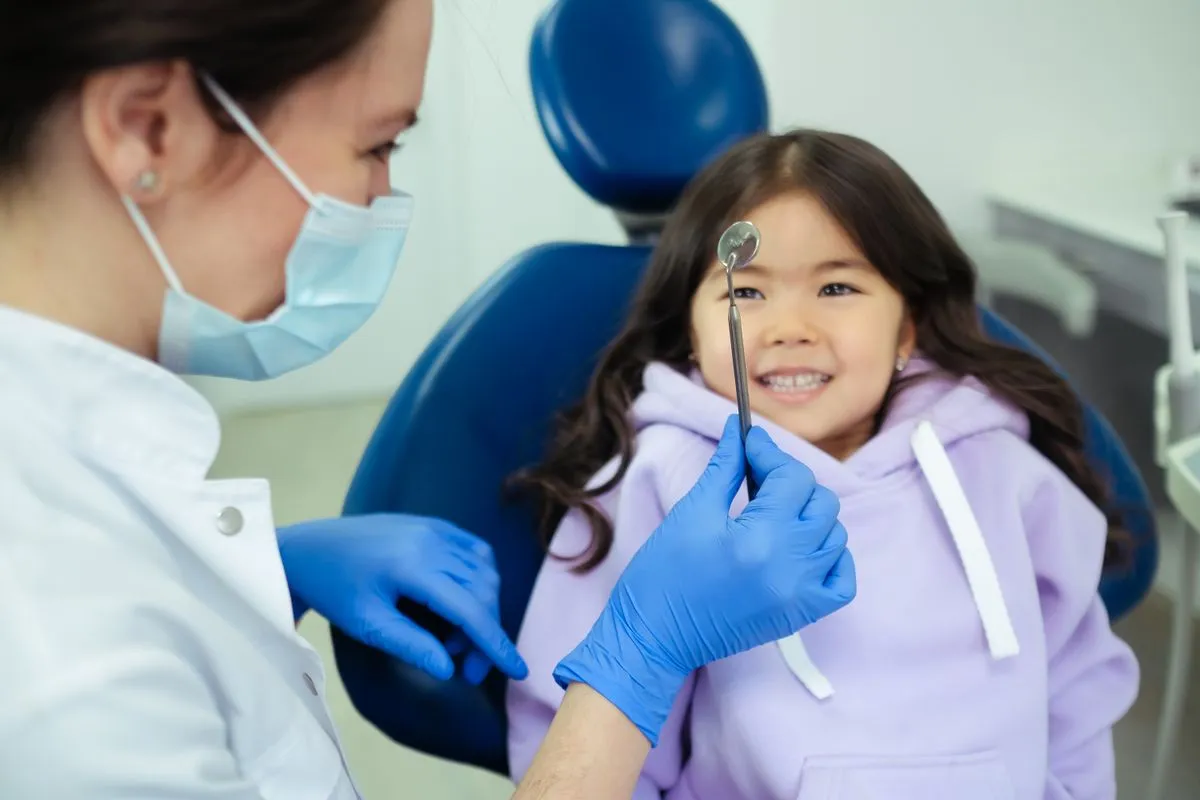
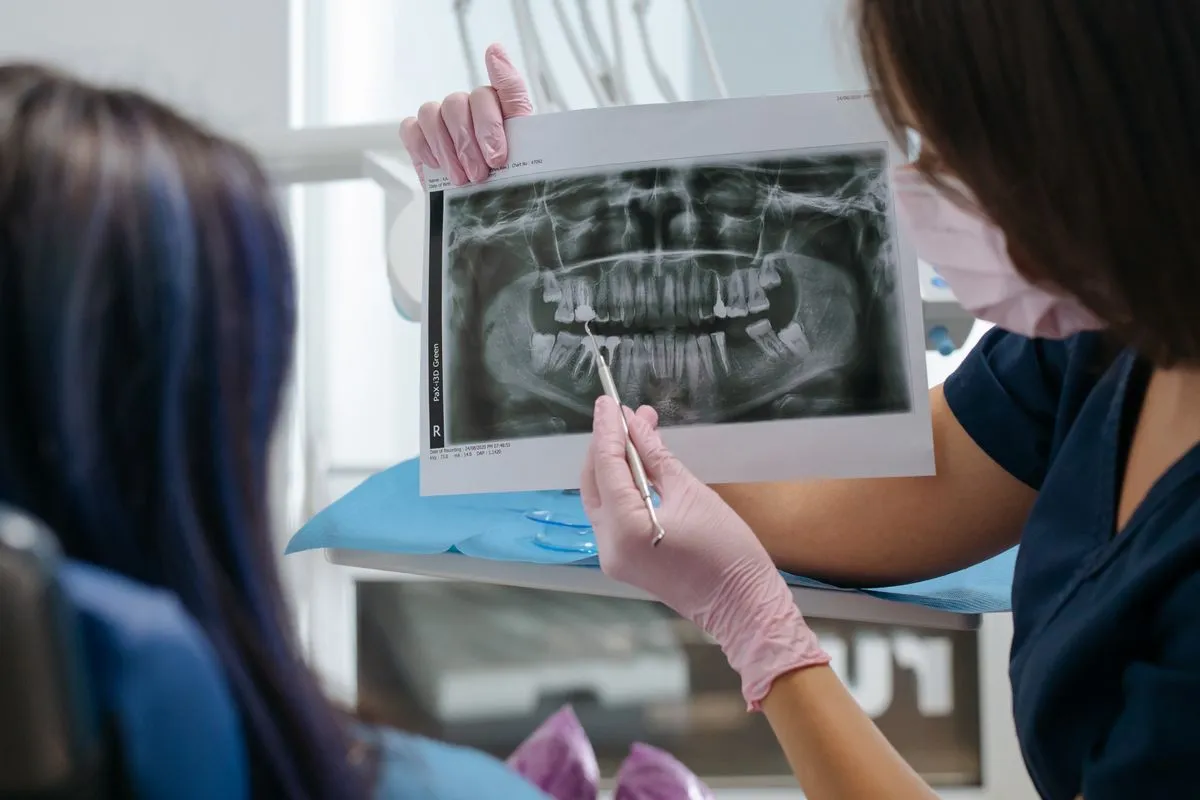
Preventive care helps detect problems early and get professional advice from experts. Choosing a dental clinic near you that supports individuals with special needs is easy.
Prior to the visit, inform the team about the following issues:
- Communication style
- Sensitivity to bright lights or loud sounds
- Health conditions and drugs being used
- Things that might trigger stress
- Things that can make the child comfortable
A visit during a quieter time of day, with a short tour beforehand, can also help.
Get the Support You Need for Better Oral Health
Keeping your teeth and gums healthy takes regular care and the right guidance. If you have questions about your oral health or need help with your daily dental care routine, a dental visit can help you understand what your mouth needs. Contact Pringle Creek Dental to discuss your concerns, schedule an appointment, and learn about at-home care for your teeth and gums.
Take the next step towards a healthier smile. We look forward to helping you with your dental care!
FAQ’s
How often should someone with special needs brush their teeth?
Twice a day is the usual recommendation, along with cleaning between the teeth. If that’s hard, start with one thorough brushing and build up from there. Your dentist can suggest a routine that suits your loved one.
What if the person resists brushing?
Relax and attempt again later on. Short visits, visual aids, and positive reinforcement can help. Your dentist might have additional suggestions.
Can caregivers use an electric toothbrush?
Yes, if the person finds it comfortable. Some people dislike the vibration or sound, so try it gradually. Ask your dentist whether it’s a good fit.
How often should dental visits happen?
It varies by person. Many people benefit from regular checkups, and some need more frequent visits. Your dentist will advise you.