A dental emergency is any problem with your teeth, gums or jaw that needs care right away to stop severe pain, control bleeding, treat an infection or save a tooth. Some problems can wait a day or two for a regular appointment, while others should be seen the same day. Knowing the difference helps you act quickly and protect your smile.
Signs You Need Emergency Dental Care
Call a dentist as soon as possible if you notice any of the following:
- A knocked-out adult tooth. The best chance of saving the tooth is to have it placed back in the socket within about an hour.
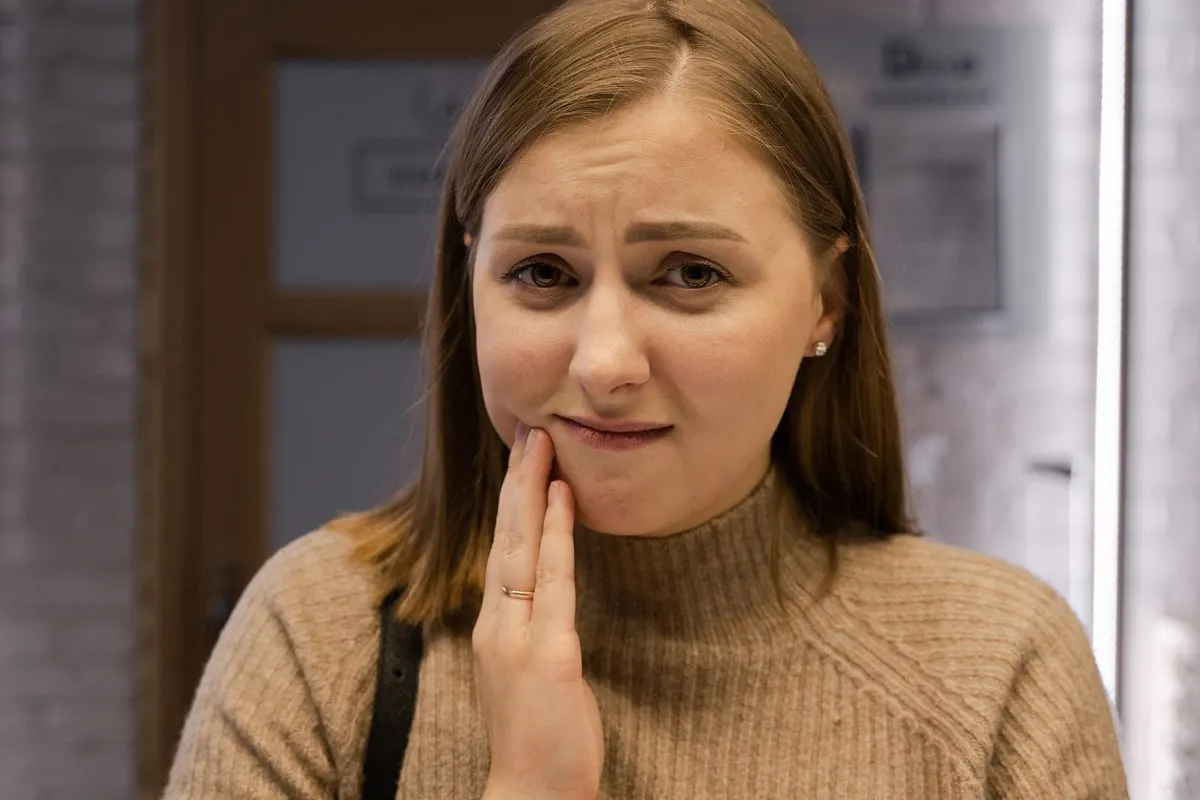
- Severe or throbbing tooth pain that does not ease with over-the-counter pain relief or keeps you up at night.
- Swelling in the face, jaw or gums, especially with a fever, a bad taste or a bump on the gum. These can be signs of an abscess.
- A cracked or broken tooth with pain, sharp edges or a visible inner layer.
- Bleeding that will not stop after an injury or an extraction.
- A loose adult tooth after a fall or blow to the face.
If you have swelling that affects your breathing or swallowing, or a serious injury to the face, go to the nearest hospital emergency department first.
Problems That Can Usually Wait for a Regular Visit
Some dental problems are uncomfortable but are not urgent. These usually include a small chip with no pain, a lost filling with mild sensitivity, a crown that has come off but the tooth does not hurt, and mild sensitivity to cold. Call your dental clinic and book the next available appointment. Waiting too long can turn a small problem into a bigger one, so do not leave it for months.
What to Do Before You Reach the Dentist
Knocked-out tooth
Pick the tooth up by the crown, not the root. Rinse it gently with water without scrubbing. Try to place it back in the socket and bite on a clean cloth to hold it. If that is not possible, keep the tooth in a small container of milk and get to a dentist right away.
Broken or chipped tooth
Rinse your mouth with warm water and save any pieces. Hold a cold compress on your cheek to limit swelling. If there is a sharp edge, cover it with sugar-free gum or dental wax until your visit.
Toothache
Rinse with warm salt water and floss gently to remove any trapped food. Take over-the-counter pain relief as directed on the label. Do not place aspirin on the gums, as it can burn the tissue.
Swelling or abscess
Rinse with warm salt water and use a cold compress on the outside of your face. Do not try to pop or drain a bump on the gum. An infection needs professional treatment and may need antibiotics.
Lost filling or crown
Keep the crown if you have it. A small amount of dental cement from a pharmacy can hold it in place for a short time, but do not use household glue. Avoid chewing on that side until you are seen.
How a Dentist Treats a Dental Emergency
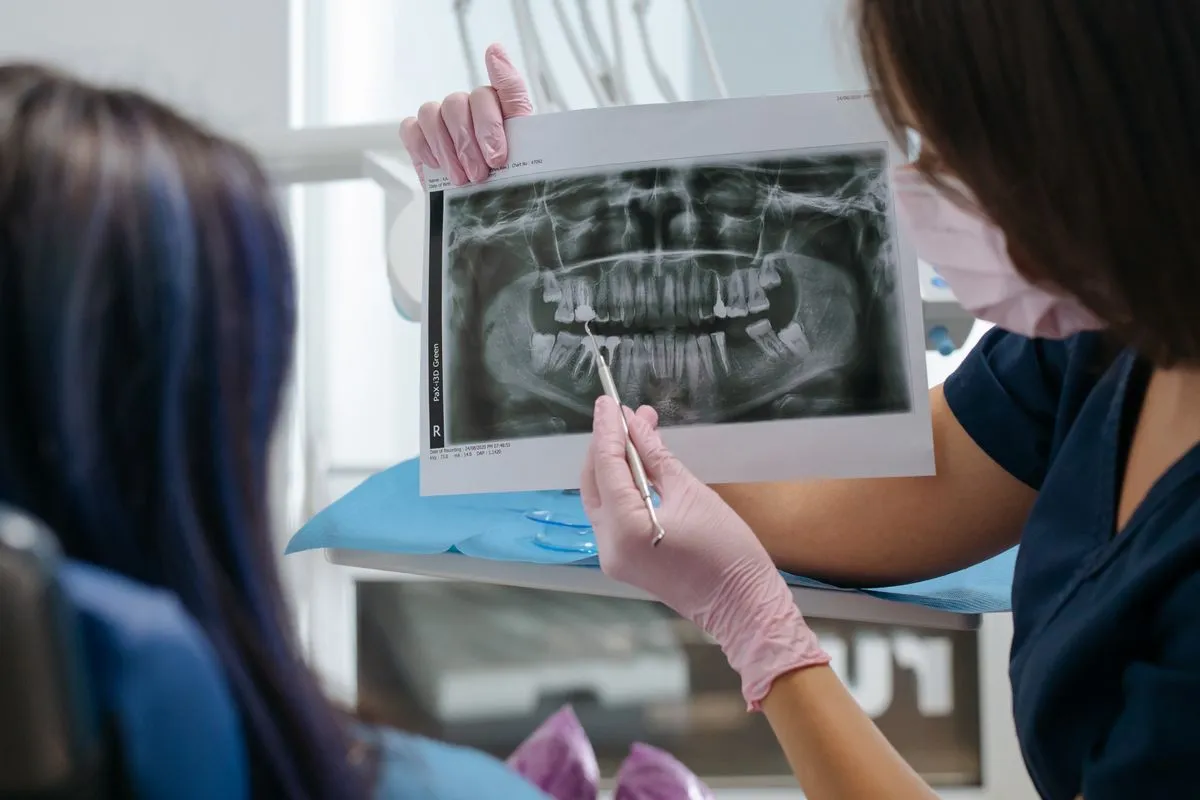
At an emergency visit, the first goal is to relieve pain and find the cause. Your dentist will ask about your symptoms, examine the area and usually take an X-ray. Depending on what they find, treatment may include smoothing or bonding a chipped tooth, placing a temporary filling, draining an abscess, starting root canal treatment, splinting a loose tooth or, in some cases, removing a tooth that cannot be saved. Your dentist will then explain any follow-up care you need.
How to Lower Your Risk of a Dental Emergency
- Wear a mouthguard for contact sports and a night guard if you grind your teeth.
- Avoid chewing ice, hard candy and popcorn kernels, and do not use your teeth to open packages.
- Keep up with regular checkups and cleanings so cavities and cracks are found early.
- Do not ignore a tooth that is sensitive or sore. Early treatment is usually simpler and less costly.
Frequently Asked Questions
Is a toothache a dental emergency?
A mild toothache that comes and goes can usually wait for a regular appointment. Severe pain, pain with swelling or fever, or pain that keeps you awake should be seen as soon as possible.
Should I go to the hospital or the dentist for a dental emergency?
For most tooth problems, a dentist is the right place to go. Go to the hospital if you have swelling that affects breathing or swallowing, a high fever with facial swelling, or a serious facial injury.
Can a cracked tooth wait?
A small crack with no pain can wait a short time, but it should still be checked soon. A crack that hurts when you bite or is sensitive to hot and cold should be seen quickly to avoid further damage.
What should I do if my child knocks out a baby tooth?
Do not put a baby tooth back in the socket, as this can damage the adult tooth underneath. Apply gentle pressure with clean gauze to stop bleeding and call your dentist for advice.
Get Help With a Dental Emergency in Whitby
If you are not sure whether your problem is urgent, call us and we will help you decide. Pringle Creek Dental offers same day care for dental emergencies in Whitby when possible. Call (905) 668-5538 or visit us at 728 Anderson St Unit 4, Whitby. Looking for a dentist in Whitby for regular care too? New patients are always welcome.