Whether you need a crown or a filling depends mainly on how much healthy tooth is left. A filling repairs a small or medium area of damage. A crown covers the whole visible part of the tooth when it is too weak or broken to hold a filling safely. Here is how your dentist decides and what each option involves.
What a Filling Does
A filling replaces a small part of a tooth that was lost to decay or a minor chip. The dentist removes the decay, cleans the area and fills it with a tooth-coloured composite or another material. Fillings are usually done in one short visit and keep as much natural tooth as possible.
When a filling is usually enough
- The cavity is small to medium in size.
- The walls of the tooth around the cavity are thick and strong.
- The tooth has no cracks that extend deep into it.
- The tooth has not had a root canal.
What a Crown Does
A crown is a cap that covers the tooth above the gum line. It holds a weak tooth together, restores its shape and protects it from breaking under chewing forces. Crowns can be made from ceramic, porcelain fused to metal, gold or zirconia. With CEREC technology, some ceramic crowns can be designed and placed in a single visit.
When a crown is usually recommended
- A large cavity or old filling takes up more than about half of the tooth.
- The tooth is cracked, or a cusp has broken off.
- A back tooth has had a root canal and needs protection.
- The tooth is badly worn from grinding.
- A dental implant needs a visible tooth on top.
Crown vs Filling: Key Differences
How much tooth is removed
A filling removes only the damaged part. A crown needs the tooth to be shaped on all sides so the cap fits over it. This is why dentists choose a filling when it will hold up well.
Strength
A large filling can act like a wedge and make the remaining walls of the tooth more likely to crack. A crown wraps around the tooth and spreads biting forces, which protects it.
Time and cost
A filling costs less and takes less time. A crown is a bigger investment but can prevent a tooth from breaking in a way that would need a root canal or extraction later.
How long they last
Fillings and crowns can both last many years. How long they last depends on their size, the material, your bite and how well you care for your teeth.
What About Inlays and Onlays?
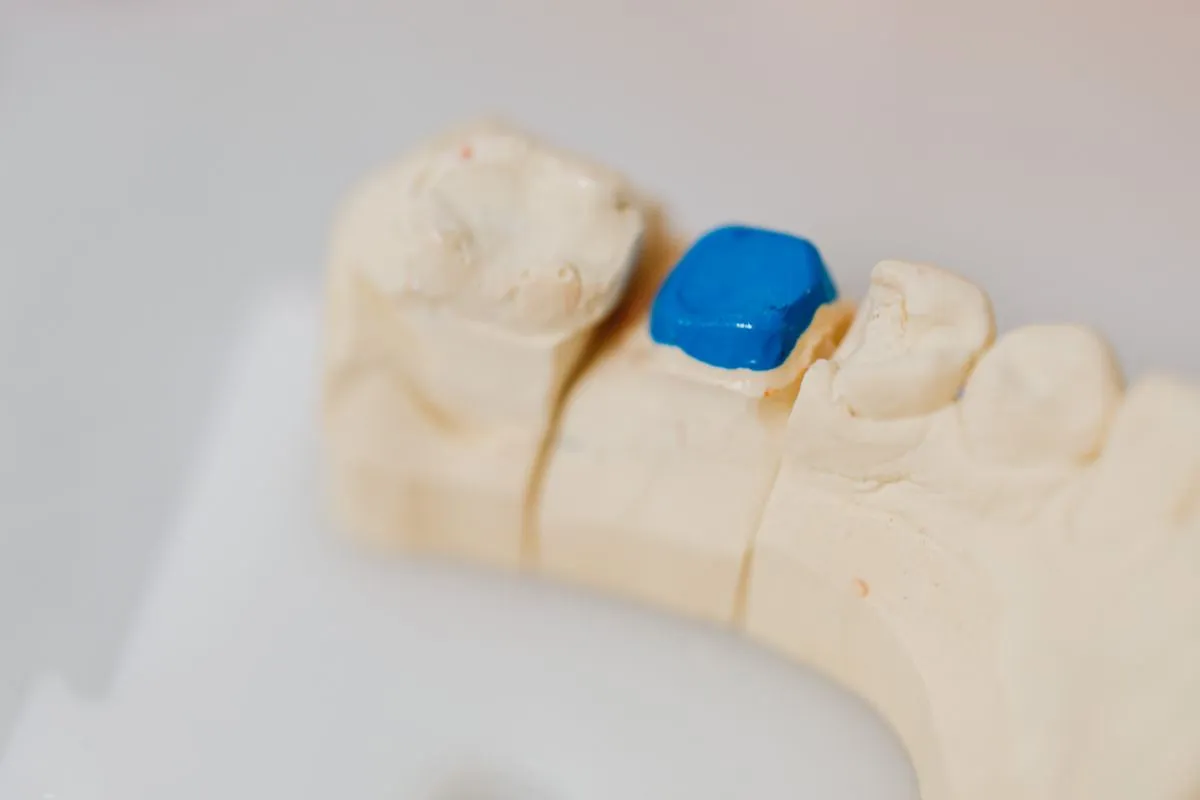
Inlays and onlays sit between a filling and a crown. They are made outside the mouth, often from ceramic, and bonded into or onto the tooth. They can be a good choice when a cavity is too big for a strong filling but the tooth still has enough healthy structure that a full crown is not needed.
Signs a Filling May Need to Become a Crown
- A filling keeps breaking or falling out.
- You feel a sharp pain when you bite down and release.
- You can see or feel a crack in the tooth.
- The tooth has become sensitive after a large filling was placed.
Caring for Crowns and Fillings
Crowns and fillings cannot get cavities themselves, but the natural tooth around their edges can. Brush twice a day with fluoride toothpaste and clean between your teeth every day, paying attention to the gum line where a crown meets the tooth. Avoid chewing ice, hard candy and pens, which can chip ceramic and composite materials. If you grind or clench your teeth at night, ask about a night guard to protect your restorations. Regular checkups let your dentist check the edges of each filling and crown, spot small leaks or wear early and repair them before they turn into bigger problems.
Frequently Asked Questions
Is a crown better than a filling?
Neither is better in every case. A filling is the right choice when the tooth is strong enough to hold it. A crown is better when the tooth is weak, cracked or has had a root canal.
Can a large filling be replaced with a crown later?
Yes. If a large filling fails or the tooth starts to crack, your dentist can remove the filling and place a crown to protect the tooth.
Does getting a crown hurt?
The tooth is numbed before it is shaped, so most patients feel only pressure. Mild sensitivity for a few days afterward is common.
How long does a dental crown last?
With good brushing, flossing and regular checkups, many crowns last 10 to 15 years or longer.
Find Out Which Option Fits Your Tooth
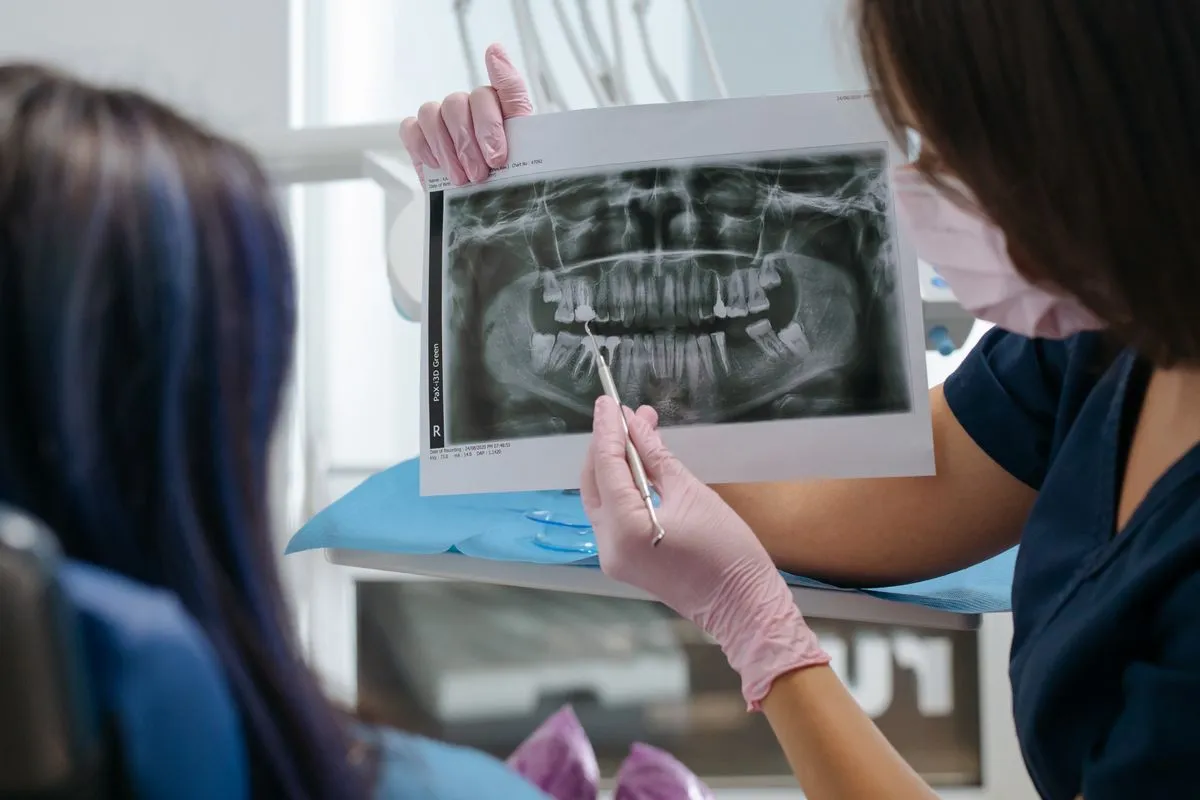
An exam and X-ray will show how much healthy tooth you have and which repair will last. Pringle Creek Dental offers fillings, crowns and other dental restorations in Whitby, as well as CEREC same-day crowns in Whitby. Call (905) 668-5538 or visit us to book with a dentist in Whitby.