A child’s first dental visit is usually recommended by their first birthday, or within six months of the first tooth coming in. Starting early helps your dentist catch problems while they are small and helps your child get used to the dental chair in a calm, positive way. Here is what happens at the first visit and how you can prepare.
Why the First Visit Matters
Tooth decay is one of the most common chronic conditions in children, and it can start as soon as the first tooth appears. Baby teeth help children chew, speak clearly and hold space for adult teeth. Early visits let your dentist check how teeth are coming in, spot early signs of decay and give you practical advice on brushing, feeding and teething.
What Happens at a First Dental Visit
A short, gentle exam
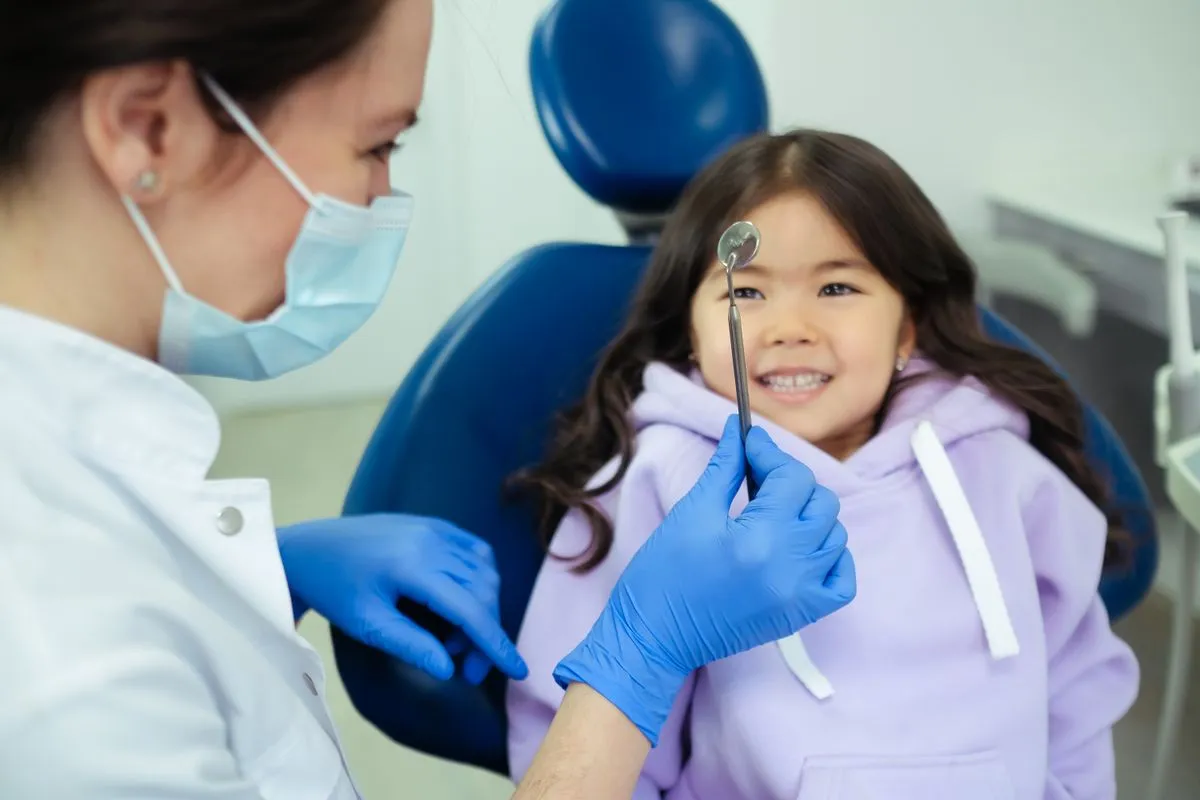
For babies and toddlers, the exam is often done in a knee-to-knee position, with your child lying back on your lap. The dentist looks at the teeth, gums, tongue and bite, and checks for early white spots that can signal decay.
Cleaning and fluoride
Depending on your child’s age and comfort, the visit may include a light cleaning and a fluoride varnish to help protect the enamel.
Advice for parents
Your dentist will talk with you about brushing, how much toothpaste to use, bottle and sippy cup habits, thumb sucking and soothers, teething and diet. This is a good time to ask any questions you have.
X-rays, only if needed
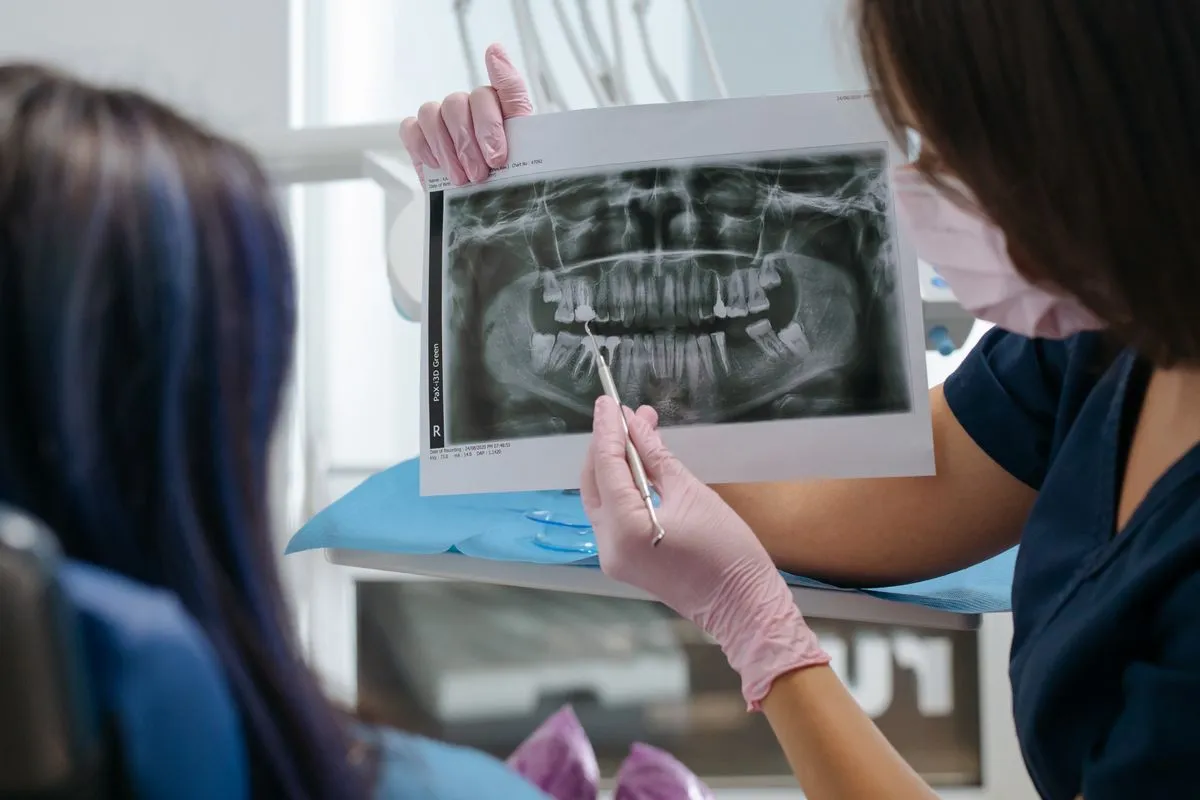
Most young children do not need X-rays at the first visit. They are taken only when the dentist needs to check between teeth or look at a specific concern.
How to Prepare Your Child
- Keep it positive. Talk about the dentist as a friendly helper who counts and cleans teeth. Avoid words like hurt, needle or pain.
- Read a story or watch a short video about going to the dentist together.
- Play pretend. Take turns counting each other’s teeth with a toothbrush.
- Pick a good time. Book a morning visit or a time when your child is usually rested and fed.
- Bring a comfort item such as a favourite toy or blanket.
- Stay calm yourself. Children pick up on their parents’ feelings, so a relaxed tone helps.
Caring for Your Child’s Teeth at Home
- Wipe your baby’s gums with a clean, damp cloth before teeth come in.
- Once teeth appear, brush twice a day with a soft, small toothbrush. Use a smear of fluoride toothpaste the size of a grain of rice for children under three, and a pea-sized amount for ages three to six.
- Do not put your child to bed with a bottle of milk or juice.
- Start flossing when two teeth touch each other.
- Help with brushing until your child can do it well on their own, usually around age seven or eight.
- Limit sugary snacks and drinks between meals.
Common Concerns Your Dentist May Check For
At early visits, your dentist looks for more than cavities. They check whether teeth are coming in on time and in the right order, and look for signs of early childhood tooth decay, which often starts as chalky white lines near the gums on the upper front teeth. They may also look at how the jaws are growing, whether thumb sucking or a soother is changing the shape of the bite, and whether the tongue or lip is tied in a way that affects feeding or speech. Finding these things early gives you more simple options, and many can be managed with small changes at home.
How Often Should Children See the Dentist?
Most children should have a checkup every six months. Your dentist may suggest more frequent visits if your child has a higher risk of cavities, such as a history of decay, frequent snacking or special health care needs.
Frequently Asked Questions
At what age should my child first see a dentist?
By their first birthday, or within six months of the first tooth coming in, whichever comes first.
What if my child cries during the visit?
Crying is normal for young children and does not mean the visit went badly. The team will keep the visit short and gentle, and most children become more comfortable with each visit.
Can I stay with my child during the appointment?
For young children, parents usually stay close during the exam. Ask the clinic about their approach when you book.
Do baby teeth really need fillings?
Yes, in many cases. Untreated cavities in baby teeth can cause pain and infection and may affect the adult teeth developing underneath.
Book Your Child’s First Visit
Pringle Creek Dental welcomes children and families from Whitby and nearby communities. Learn more about our family dentistry in Whitby, call (905) 668-5538 or visit us at 728 Anderson St Unit 4. We are a dental clinic near you that sees the whole family.