
Are you interested in learning about choosing the best dental restoration that matches your oral state and daily routine? The appropriate option for damaged or missing teeth needs to fulfill both functional requirements and aesthetic goals. The understanding of different dental restoration options, together with their benefits and drawbacks and future implications, will help you make a smart choice. A trustworthy dental clinic in Whitby will guide patients through the selection process to deliver the best outcomes.
What Are Dental Restorations?
Dental restorations repair or substitute damaged teeth through dental fillings and crowns, along with dental implants and bridges. A restoration’s function depends on tooth damage extent together with tooth position and desired aesthetic outcome. Your dental clinic near you will evaluate which solution best fits your individual case.
What Factors to Consider When Choosing a Dental Restoration?
Several crucial factors need evaluation before selecting appropriate dental restoration treatments.
- Durability stands as a key factor since dental implants and porcelain crowns can endure for decades when maintained correctly.
- Aesthetics plays a crucial role when dental materials need to match the natural appearance because they show during speech and smiling.
- Test the effect of your restoration by measuring how strong your bites remain and how well you chew.
- Patients should always consider their financial situation because they must find a balance between immediate costs and future rewards.
- Your oral health condition determines which dental restoration methods will work best for you.
Patients who assess these elements can make choices between dental restorations that both improve their dental wellness and boost their confidence levels.
What Are the Common Dental Restoration Choices?
The following list presents various dental restoration alternatives available to patients:
- Dental fillings represent the best option to treat small tooth cavities using composite resin or amalgam as material.
- Dental Crowns function as dental restorations, which both shield damaged teeth and enhance their visual appeal.
- Dental bridges serve to substitute missing teeth by attaching to the teeth that remain on either side.
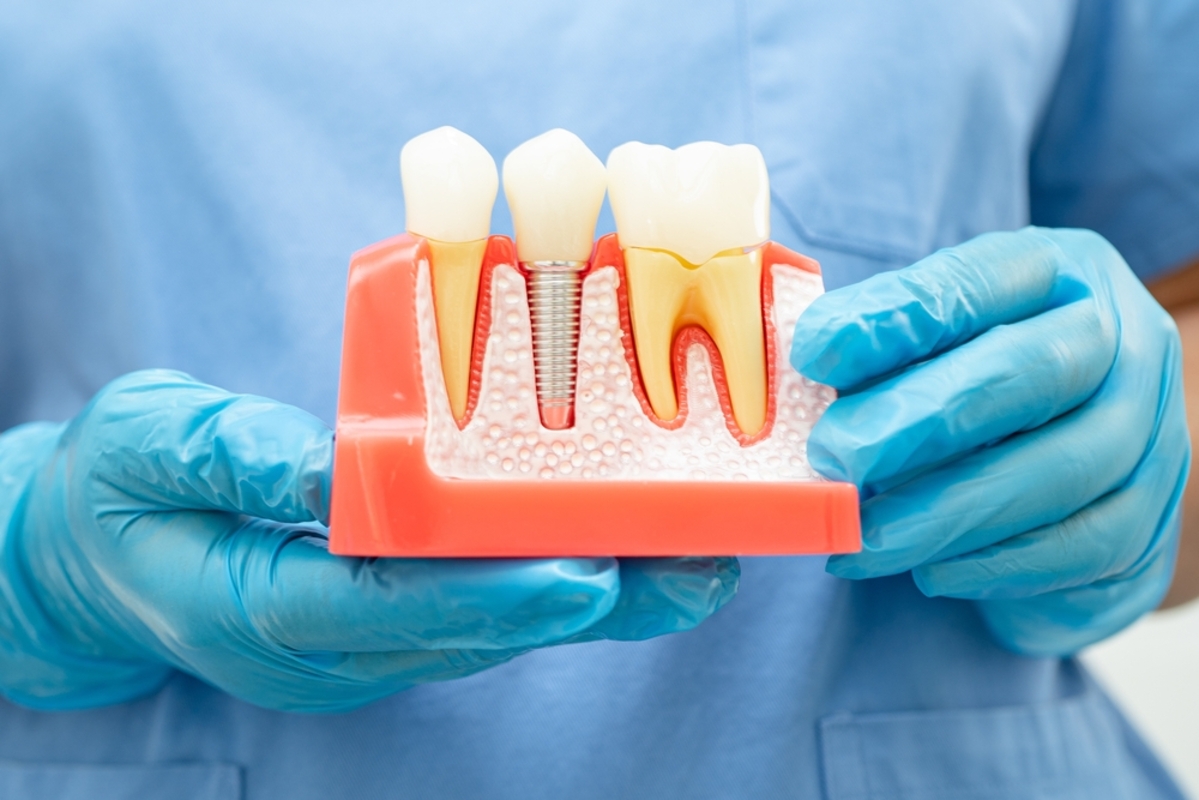
- Dental implants function as a permanent dental restoration for missing teeth through which they hold artificial teeth directly inside the jawbone.
- Veneers function as thin dental shells which enhance tooth appearance while providing basic protection.
The selection of dental restoration choices for long-term durability will minimize the need for replacements and protect your teeth and gums over time.
How to Maintain Your Dental Restoration?
Proper care ensures your dental restoration lasts as long as possible:
- Clean your teeth daily with brushing and flossing to avoid cavities and gum problems.
- Scheduling regular dental examinations is important to track the status of the restoration.
- Don’t bite hard foods after dental treatment.
- Sports participants should wear mouthguards to protect their teeth during athletic activities.
- You need to adhere to the particular post-treatment recommendations which your dentist provides.
Secure a Lasting Smile with Expert Care!
The selection of an appropriate dental restoration near you leads to better dental health alongside improved functionality and an enhanced look of your smile. At Pringle Creek Dental our experienced team provides individual treatment and knowledgeable advice to guide you toward the most suitable dental solution. Begin your journey toward enduring smile confidence by booking your consultation now.
FAQs
How long can a dental crown last?
When patients maintain proper dental care, their crowns will maintain their integrity for 10 to 15 years or potentially extend beyond that time frame. The type of material used, together with individual lifestyle practices, determines the duration of dental crown life.
Are dental implants uncomfortable?
The process occurs with anesthesia, so patients experience very little pain. Patients typically experience normal post-procedure discomfort, which can be treated with medications.
Can all dental restorations be replaced if they fail?
The ability to repair or replace dental restorations exists, yet selecting strong materials during initial treatment minimizes future requirements for restoration.
Do dental bridges require altering adjacent teeth?
Traditional bridges connect to adjacent teeth through a process that requires minimal tooth modification. Implant-supported bridges avoid this step.
Can I get a natural-looking restoration for front teeth?
Absolutely. Porcelain crowns, together with veneers and composite fillings, achieve realistic dental appearances that closely resemble natural teeth.